
Every year around this time, I start getting a little too excited about gardening season. The seedlings are getting bigger, the weather starts teasing us with warm afternoons, and suddenly I’m convinced we’re ready to plant everything outside immediately.
But here in North Idaho, the longtime local rule of thumb is simple: don’t plant before Mother’s Day. And honestly? That advice has saved many gardens from late frosts over the years.
We think we might finally be ready to start planting outside now, and our raised beds are waiting patiently for us. After months of seed starting in the house and transplanting seedlings into larger containers, it’s exciting to finally picture everything growing out in the garden again.
One thing we focus on every year is companion planting: pairing plants to maximize space, improve plant health, and naturally reduce pests. Since we garden in raised beds and use vertical gardening methods, companion planting has become one of the easiest ways to make the most of our growing space.
What Is Companion Planting?
Companion planting is the practice of growing certain plants together because they benefit one another. Some plants help repel pests, some improve soil health, and others simply grow well side by side without competing for nutrients or sunlight.
For homestead gardeners and backyard gardeners alike, companion planting can help:
- Improve harvest yields
- Reduce garden pests naturally
- Maximize raised bed space
- Encourage pollinators
- Improve airflow and plant health
- Support vertical gardening systems
It’s not about creating a perfect garden because, honestly, gardening always involves a little trial and error, but companion planting has definitely helped us grow a healthier and more productive garden over the years.
Our Raised Bed Garden Setup
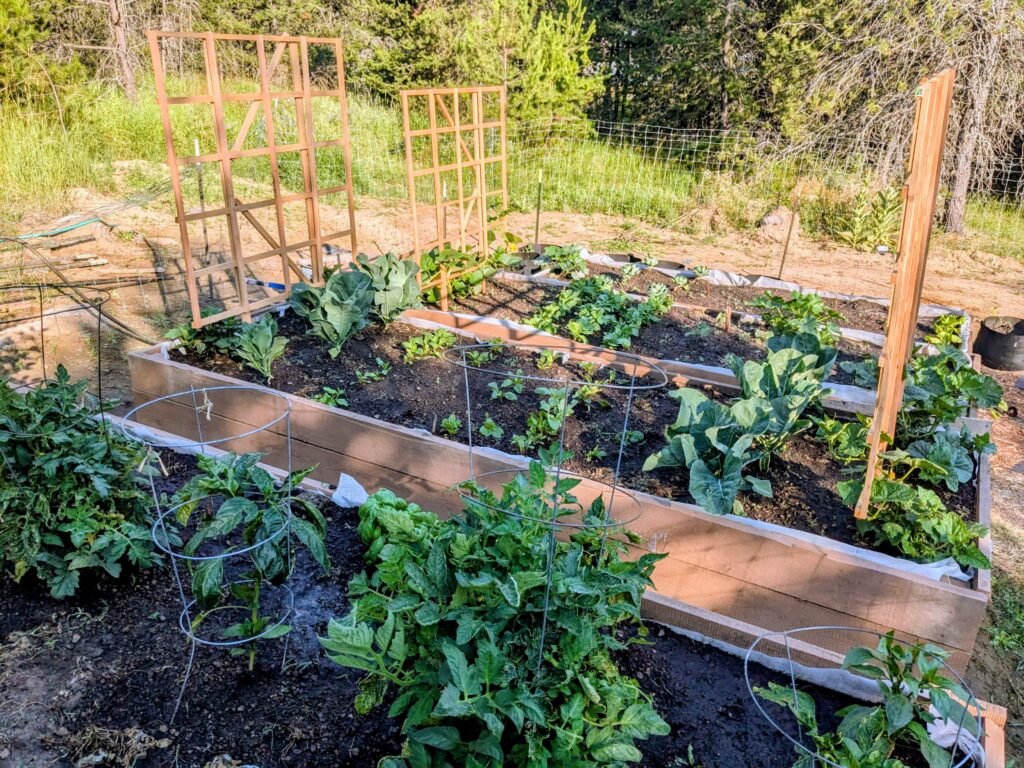
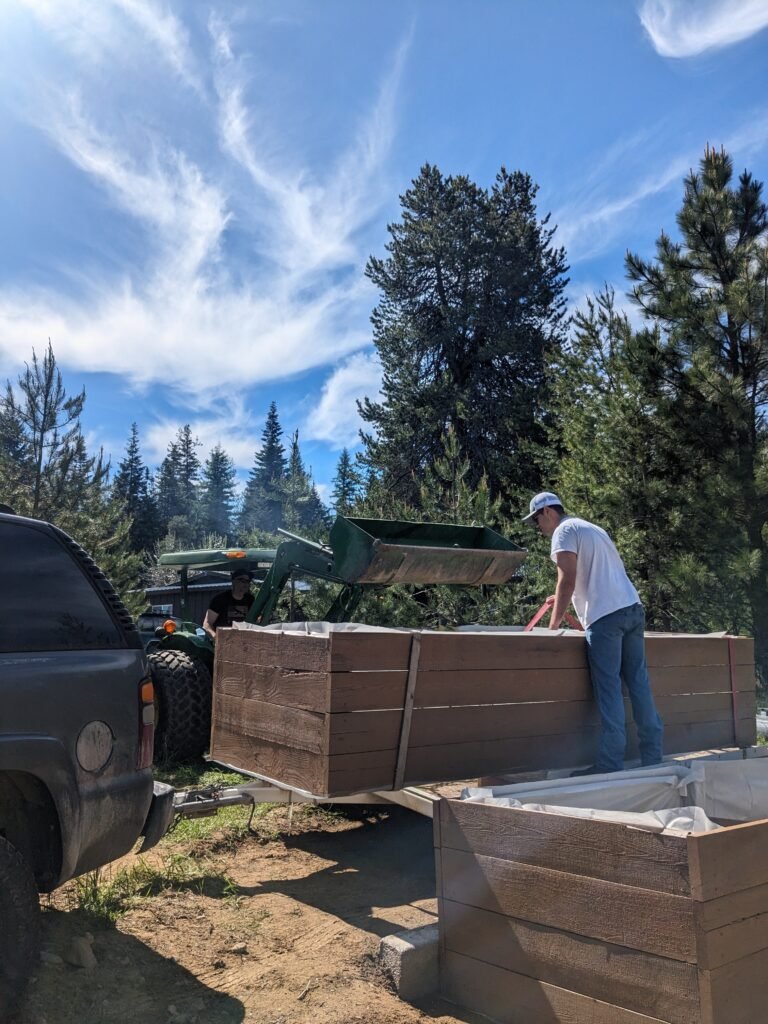
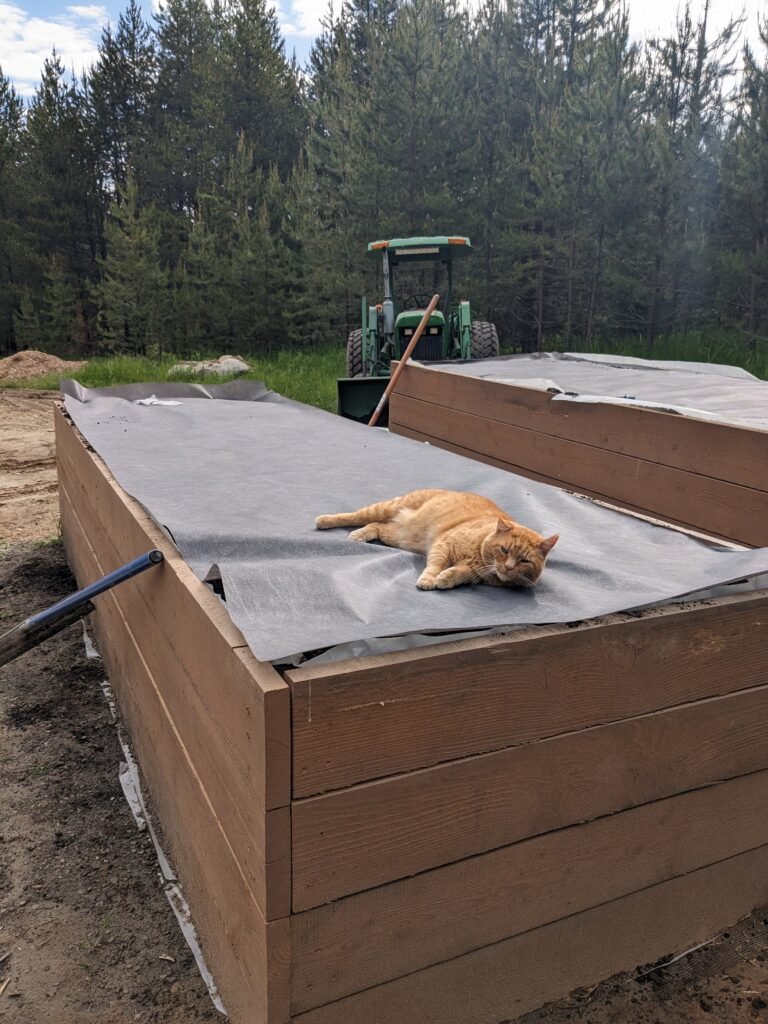
Our garden is made up of raised beds that are 12 feet by 4 feet, and they’ve become one of my favorite parts of our homestead. My husband milled the lumber himself and built the beds with help from our sons, which makes the garden feel even more special every time we plant in it.
The raised beds help us stay organized, improve drainage, and make it easier to manage weeds. They also work incredibly well for companion planting because we can intentionally plan out which vegetables grow together in each bed.
We try to leave enough room for airflow while still planting densely enough to maximize production. And because our growing season can feel short here in Idaho, making the most of every inch matters.
Companion Planting In Raised Beds
One of the biggest benefits of companion planting in raised beds is efficiency. Instead of planting vegetables randomly, we can group plants together that actually support each other.
Here are a few companion planting combinations we use in our garden:
Tomatoes + Basil
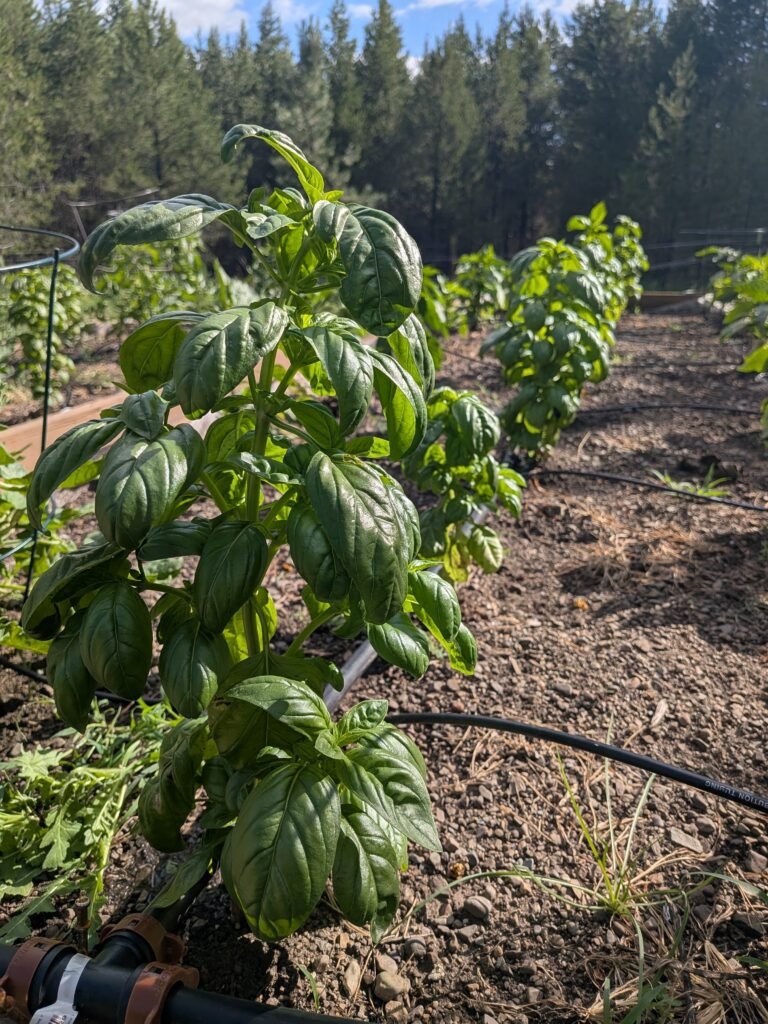
This is probably one of the most popular companion planting pairings, and for good reason. Basil may help deter pests while also making excellent use of the space around tomato plants.
We usually grow our tomatoes vertically using cages or trellises, which leaves room underneath for basil and other smaller companion plants.
Carrots + Onions
Onions can help deter carrot flies, while carrots don’t take up much room in the soil beside onions. These two fit nicely together in raised beds without overcrowding one another.
Cucumbers + Dill
Dill is one of our favorite companion plants for cucumbers. It attracts beneficial insects and pollinators while helping create a healthier garden environment overall.
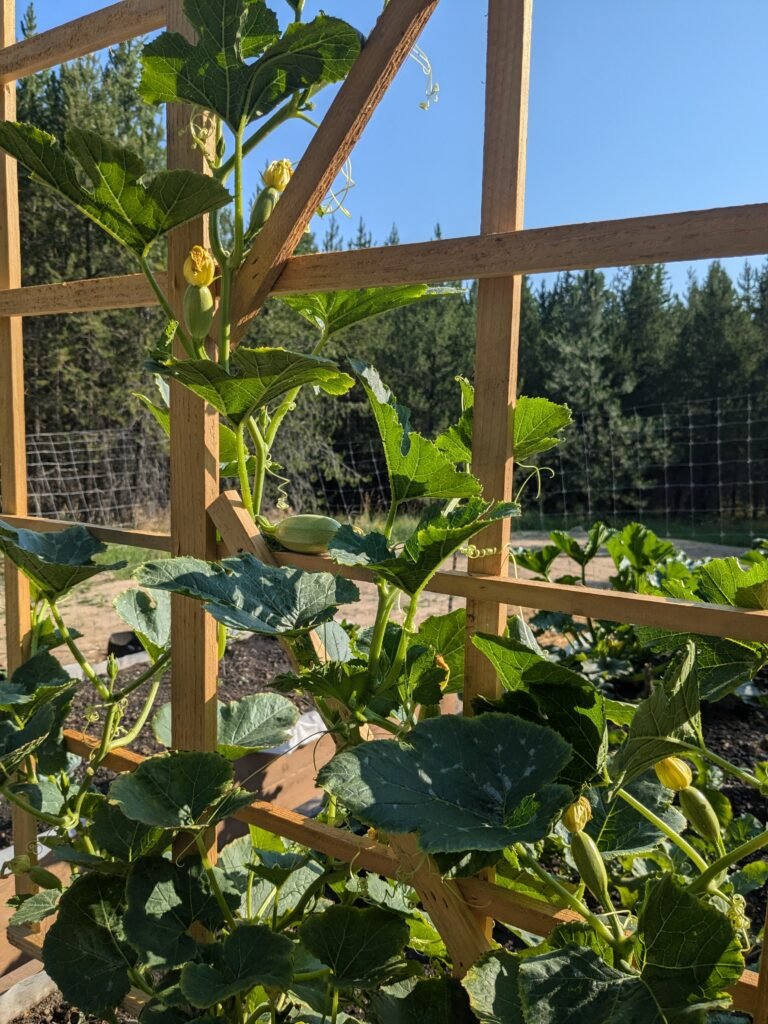
We grow our cucumbers vertically on trellises in our raised beds, and the dill fits nicely nearby without taking up too much space. Vertical gardening not only saves room in the garden, but it also improves airflow around the cucumber plants and makes harvesting so much easier later in the season.
Plus, there’s just something about seeing tall dill swaying beside climbing cucumber vines that makes the garden feel extra full and thriving by midsummer.
Lettuce + Radishes
These fast-growing crops work really well together in raised beds. Radishes mature quickly and help loosen the soil while lettuce fills in around them.
Vertical Gardening and Companion Planting
Vertical gardening has become a huge part of how we garden in raised beds. Trellising plants like cucumbers, peas, and tomatoes helps us maximize space while also improving airflow and making harvesting easier.
When you combine vertical gardening with companion planting, you can fit so much more into a small garden space without everything feeling overcrowded.
For example:
- Trellised cucumbers can grow upward while lettuce grows underneath in the shade
- Pole beans can climb vertically while radishes grow below
- Tomatoes can be supported upward while basil grows around the base
Using vertical gardening methods also helps reduce disease pressure since plants dry out faster after watering or rain.
Tips for Beginner Companion Planting
If you’re new to companion planting, don’t overcomplicate it. Start simple.
Here are a few beginner-friendly companion planting tips:
- Group plants with similar watering needs
- Use flowers like marigolds or nasturtiums near vegetables
- Grow vertically whenever possible to save space
- Avoid overcrowding raised beds
- Rotate crops each season when possible
- Keep notes about what worked well
Gardening is always a learning process, and every garden is different depending on climate, soil, and growing conditions.
We’re Almost Ready to Plant
After months of seed trays in the house and seedlings taking over every spare sunny window, it finally feels like we’re getting close to planting season outdoors.
Of course, we’re still watching the forecast carefully because spring weather in North Idaho can change its mind overnight. But the raised beds are ready, the seedlings are growing, and we’re excited to start another garden season.
And if all goes well, now that Mother’s Day has passed, hopefully we can finally be planting outside for good.
From our homestead to yours,
Eliza