This post may contain Amazon affiliate links. If you choose to purchase through them, it helps support our family’s homestead at no extra cost to you. Thank you for supporting what we do!
Every winter, once the seed catalogs are dog-eared and my cup of tea is cold for the third time, I start dreaming about spring. Planning what to plant is one of my favorite quiet homestead rituals—it’s hopeful, practical, and just a little ambitious.
In North Idaho, we’re gardening in Zone 6a, and instead of planting everything that looks pretty, I’m focusing on crops we actually eat, preserve, and enjoy growing. Here’s what I’m planning to grow this year—and why each one made the cut.
(If you’re curious how I keep all these seeds from turning into chaos, I shared my full seed organization system here → Planning Next Year’s Garden While The Snow Falls.)
How We Plan Our Garden Each Year
Before I get into the list, here’s how we decide what earns a spot in the garden:
- What we actually eat (not what I wish we ate)
- What preserves well for winter meals
- What grows reliably in Zone 6a
- What fits our time and energy
If a crop doesn’t check at least two of those boxes, it usually gets cut—no matter how enticing it looks in the catalog.
Vegetables We’re Growing This Year (Zone 6a)
Root Crops (Reliable + Great for Storage)
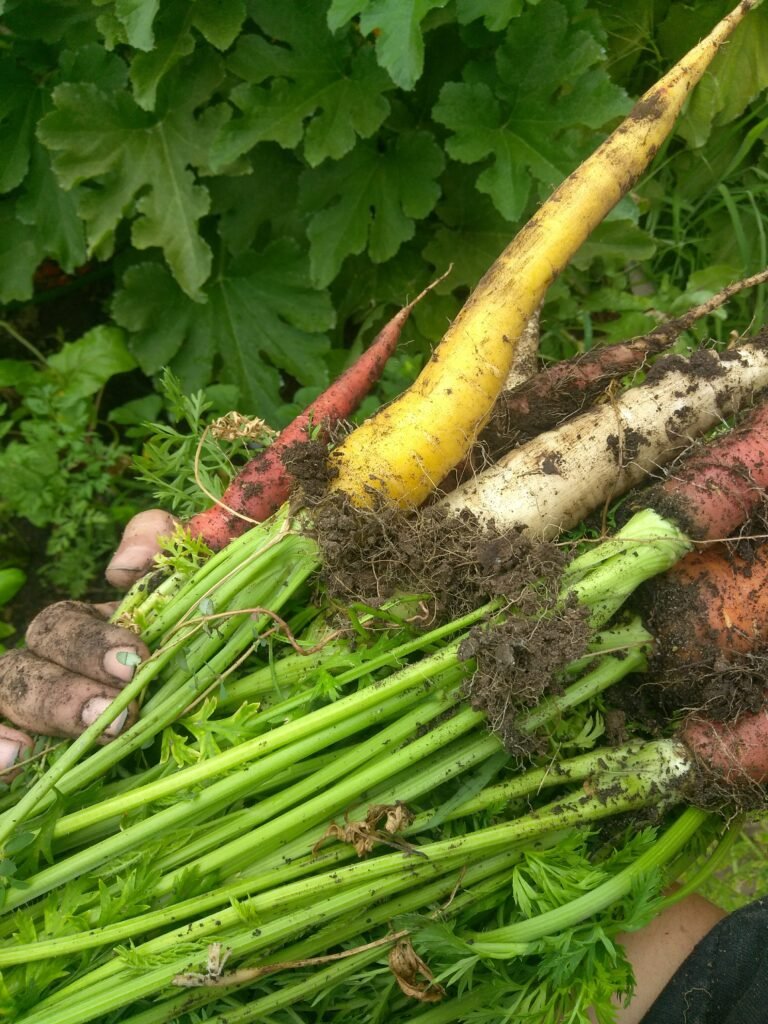
- Carrots – A must-have for us. I stagger plantings for fresh eating and storage.
- Beets – Dual-purpose: roots and greens. Don’t be afraid to put the greens in your kids’ smoothies. They’ll never know, I promise!
- Potatoes – One of the most satisfying crops to grow and store, plus we’re in Idaho, so it feels mandatory!
- Radishes – Fast, forgiving, great early-season wins, and our family loves them pickled.
These crops thrive in cooler temps and store beautifully, which is a big win for our homestead.
Leafy Greens (Early & Often)
- Lettuce (cut-and-come-again varieties)
- Kale
- Swiss chard
These are some of the first things we can harvest in Zone 6a, and they keep producing with regular picking. We love to freeze-dry kale and swiss chard to use in soups in the winter.
Warm-Season Staples
- Tomatoes (slicers + paste varieties)
- Peppers (sweet and mild heat options)
- Green beans (bush and pole)
- Zucchini (just one… because we’ve learned.)
These are non-negotiables for summer meals, canning, and freeze drying.
Garden “Worth the Space” Crops
- Cucumbers (fresh eating + pickling)
- Winter squash (pumpkin & spaghetti)
If it’s going to take up space all season, it has to earn it—and these always do.
Herbs We’re Growing This Year
- Basil
- Thyme
- Oregano
- Chives
Herbs are low effort, high reward. Fresh for cooking, easy to dry, and perfect for gifting.
Flowers We’re Adding (For Beauty & Function)
- Marigolds
- Zinnias
- Sunflowers
Pollinators, pest control, and a little beauty go a long way on a working homestead.
What We’re Not Growing This Year
This might be the most important part of our plan.
We’re skipping:
- Crops we don’t consistently eat
- Anything that needs constant babysitting
Letting go of “just because” plants makes the whole garden more enjoyable—and more successful.
Seed Starting Timeline for Zone 6a
Here’s our rough plan:
- Late winter: peppers, onions, herbs
- Early spring: tomatoes, brassicas
- After last frost: beans, corn, squash, cucumbers
- Succession plantings: lettuce, carrots, radishes
We keep all of this written down in our garden planner so we don’t rely on memory alone.
Final Thoughts
This year’s garden isn’t about doing more—it’s about doing better. Better planning, better harvests, and fewer overwhelmed moments in July.
If you’re gardening in Zone 6a, I hope this gives you ideas and encouragement as you plan your own growing season. And if you’re still staring at a pile of seed packets wondering where to start, I promise—you’re not alone.